
Benefits of Regular Car Detailing in Dubai

Your Partner in Search Engine Success.
The Damage Starts the Day You Drive It Off the Lot
Most Dubai car owners notice the damage only after it becomes visible. By then, paint fading and leather wear have often been developing for months. That is the nature of this climate. It does not announce itself. Dubai's climate can age your vehicle faster, while regular maintenance helps preserve its appearance. The difference is proper care and maintenance. It is whether the owner understood what this environment actually demands.
Car detailing in Dubai is that difference. Not a one-time treatment before you sell. A regular habit that keeps the damage from accumulating in the first place.
What Dubai's Climate Is Doing to Your Paint Right Now
Most owners rarely think about their vehicle's clear coat until damage becomes visible. It sits above the colour layer and takes the full force of everything the environment throws at your car. In Dubai, that force is considerable. UV radiation here is classified as extreme for most of the year. This is not the same UV exposure a car handles in London or even in Riyadh during winter. It is sustained, intense radiation that breaks down the chemical structure of clear coat over time. The process is slow enough that you do not notice it happening, then sudden enough that one day you look at the bonnet and the gloss is gone, replaced by a flat, chalky surface that no polish will fully restore without proper paint correction first.
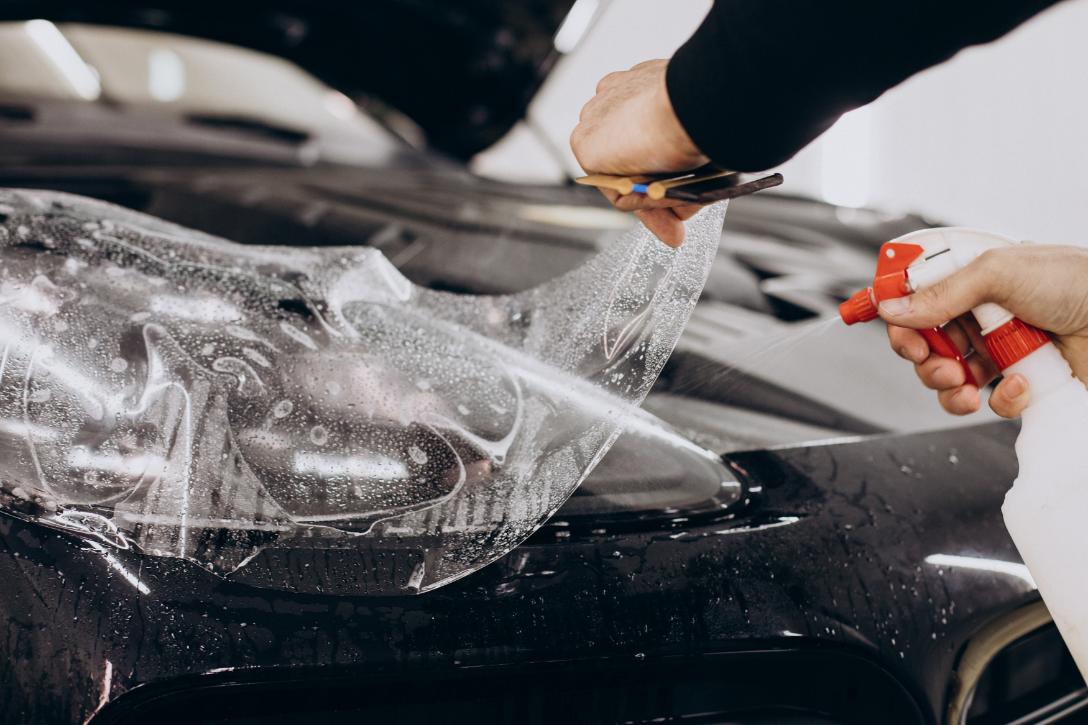
Alongside UV damage, the dust that settles on every surface overnight is not benign. Desert dust can scratch your car's paint, while harsh washing methods may damage the clear coat over time. Over dozens of repetitions they accumulate into the swirl marks that become obvious under direct light, the kind of light you encounter at every car dealer inspection. A proper auto detailing service in Dubai addresses both problems. Paint correction removes the existing damage. Ceramic coating helps protect your paint and keep it in good condition for longer.
Your Interior Is Losing the Battle Against Heat
Dubai's extreme heat causes interior materials to expand during the day and cool again at night, accelerating wear over time. Leather loses its natural oils through this process faster than in any other climate a car is likely to see. Over time, leather can crack, synthetic materials may peel, and fabric seats can trap dust that causes gradual wear.
Interior detailing does not just clean these surfaces. It treats them. Leather conditioning puts back what the heat pulls out. Fabric treatment lifts embedded particles and applies protection that resists future contamination. Dashboard and trim sealants block UV penetration to the surfaces that face the windscreen directly.
The practical result is that a detailed interior ages far more slowly than an untreated one. After four years, the difference is not subtle.
Three Dubai-Specific Threats That Most Guides Miss
General car care advice rarely accounts for conditions that are specific to this city. These three are worth knowing.
Irrigation water overspray. Sprinkler water can leave mineral deposits that may stain paint and damage unprotected surfaces over time. A ceramic-coated surface sheds water far more completely and is significantly less vulnerable to this.
Shamal dust after a windstorm. After a Shamal event, the dust layer on every outdoor surface is heavier and coarser than the fine particles that settle overnight. Attempting to wipe this off without proper lubrication causes immediate surface scratching. Professional detailers know to use foam pre-wash and proper contact-wash technique in this situation. Most car wash facilities do not.
Bird droppings in summer temperatures. Uric acid in bird droppings reacts with automotive clear coat. In moderate climates this etching process takes several days. In Dubai summer heat it can cause permanent marks in under two hours. Regular detailing removes these deposits with the correct technique before they bond and etch. Leaving them between monthly washes in summer is a genuine risk.
The Resale Conversation Nobody Has Early Enough
Dubai has an active used car market and buyers here are not naive. A dealer or private buyer who has inspected hundreds of vehicles will identify a neglected car within two minutes of looking at it under good lighting.
The signs are consistent. Swirl marks across the bonnet and roof. A dashboard that has lost its original texture. Leather that has faded or cracked at high-contact points. Trim that has pulled slightly away from door edges where the adhesive dried out. These observations translate directly into a lower offer, sometimes significantly lower than the owner expected.
The cost of car detailing in Dubai, maintained consistently, is a known and manageable expense. The cost of neglect is unpredictable and tends to arrive as a single unpleasant number when you are trying to sell or trade in. Regular detailing helps preserve your vehicle's resale value.
When Should You Detail Your Car?
Most vehicles need detailing every three to four months. For a vehicle parked outside regularly, every two months is more appropriate given the increased UV and dust exposure.
Ceramic coatings need attention too. Most quality coatings applied in professional auto detailing in Dubai carry a lifespan of one to three years depending on the product and maintenance routine. An annual inspection lets a detailer identify where the coating is degrading before the paint underneath is exposed. Catching it at that stage costs a fraction of what paint correction costs later.
Conclusion
Every month your car spends in Dubai without proper detailing is a month of UV exposure, dust abrasion, heat damage, and lost resale value working quietly against it. The cars that hold up here are the ones whose owners treat detailing as maintenance, not a treat. Regular detailing helps protect your vehicle, maintain its condition, and preserve its long-term value.
Book a professional session with Desert Diamond today and start protecting what you have already invested.